

THE FIELD ALMANAC
Learning Together from the Field

The Field Journal
by Mary Huron Hunter





How We Got Here
A Brief History of the Machine We Were Built to Serve
NERVOUS SYSTEM, TRAUMA & SOMATIC AWARENESS
Supporting body-centered decoding-signals with real science and practices.
-
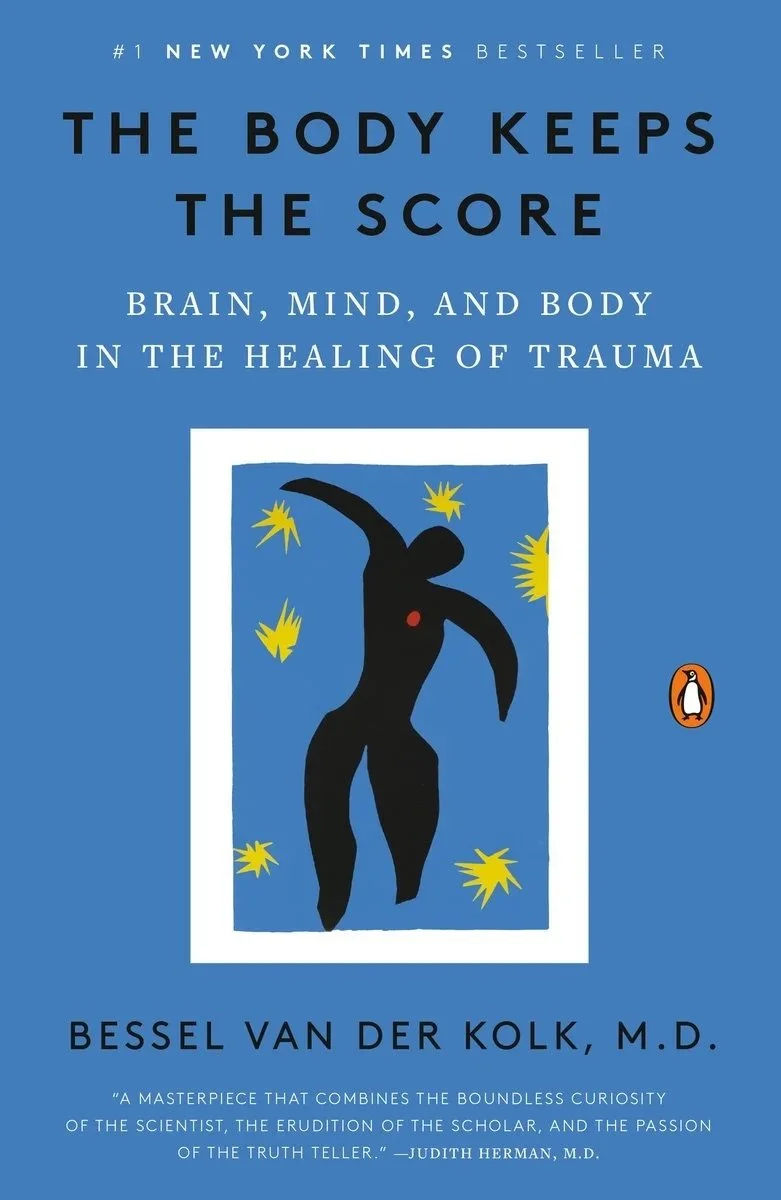
The Body Keeps the Score
Bessel van der Kolk, MD
What it supports:
• The body as a repository of experience
• Nonverbal communication of threat and safety
• Why talk alone doesn’t resolve relational or emotional patterns
Evidence base: Neurobiology, trauma research, clinical studies
-
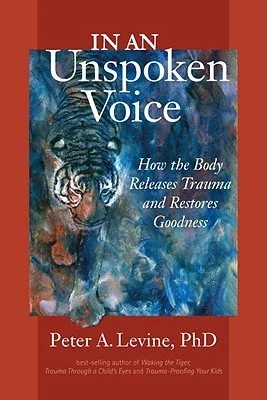
In An Unspoken Voice
Peter A. Levine, PhD
What it supports:
• Nervous system literacy
• Sensation as language
• Regulation through completion, not analysis
Evidence base: Ethology, neuroscience, somatic psychology
-

Polyvagal Theory
Stephen W. Porges, PhD
What it supports:
• Social engagement system
• Safety as a prerequisite for communication
• Tone, face, posture as primary communicators
Evidence base: Neurophysiology (note: clinically influential, still debated in parts)
-

Burnout: The Secret to Unlocking Stress
Emily Nagoski, PhD & Amelia Nagoski, DMA
What it supports:
• Completing the stress cycle
• Emotional processing in the body
• Women’s stress physiology
• Practical regulation toolsEvidence base: Stress physiology, behavioral science, health research
EMOTION, MEANING AND PATTERN RECOGNITION
Decoding emotions and habits with wisdom and insight.
-
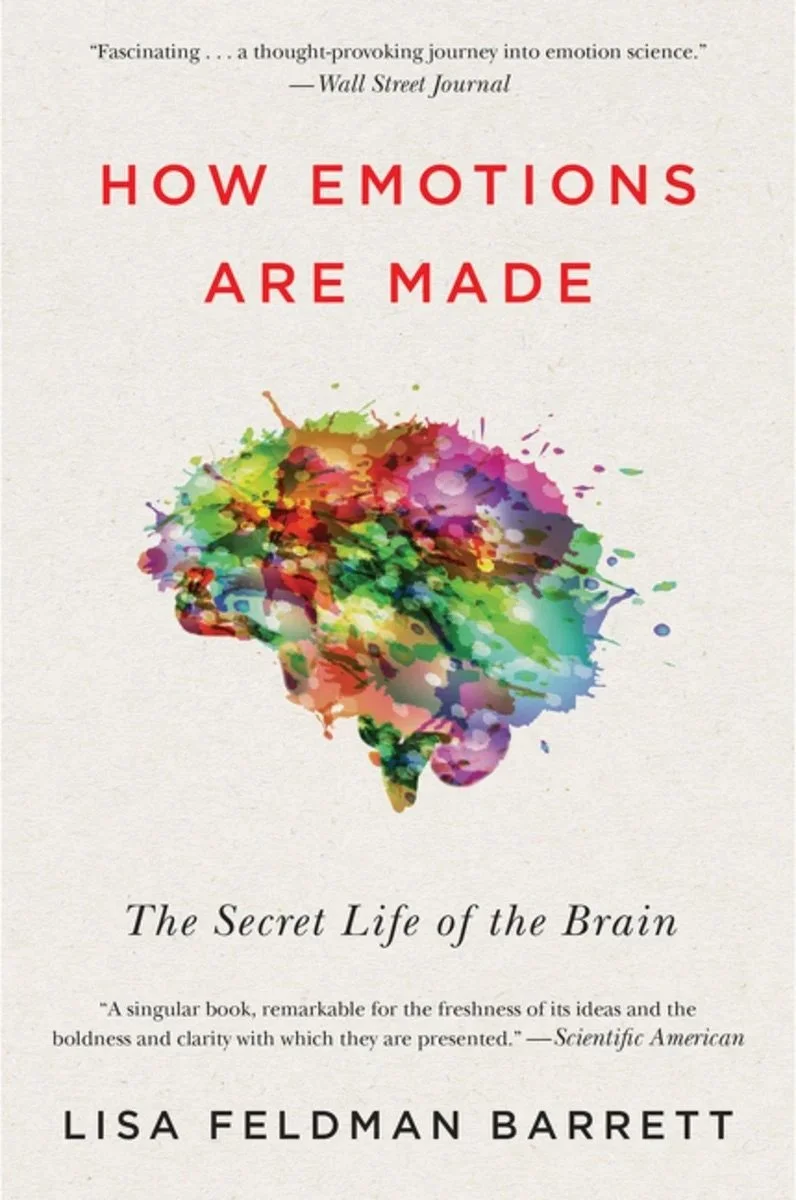
How Emotions Are Made
Lisa Feldman Barrett, PhD
What it supports:
• Emotions as constructed meaning, not fixed reactions
• Context, body state, and prediction shaping experience
Evidence base: Affective neuroscience, fMRI research
-
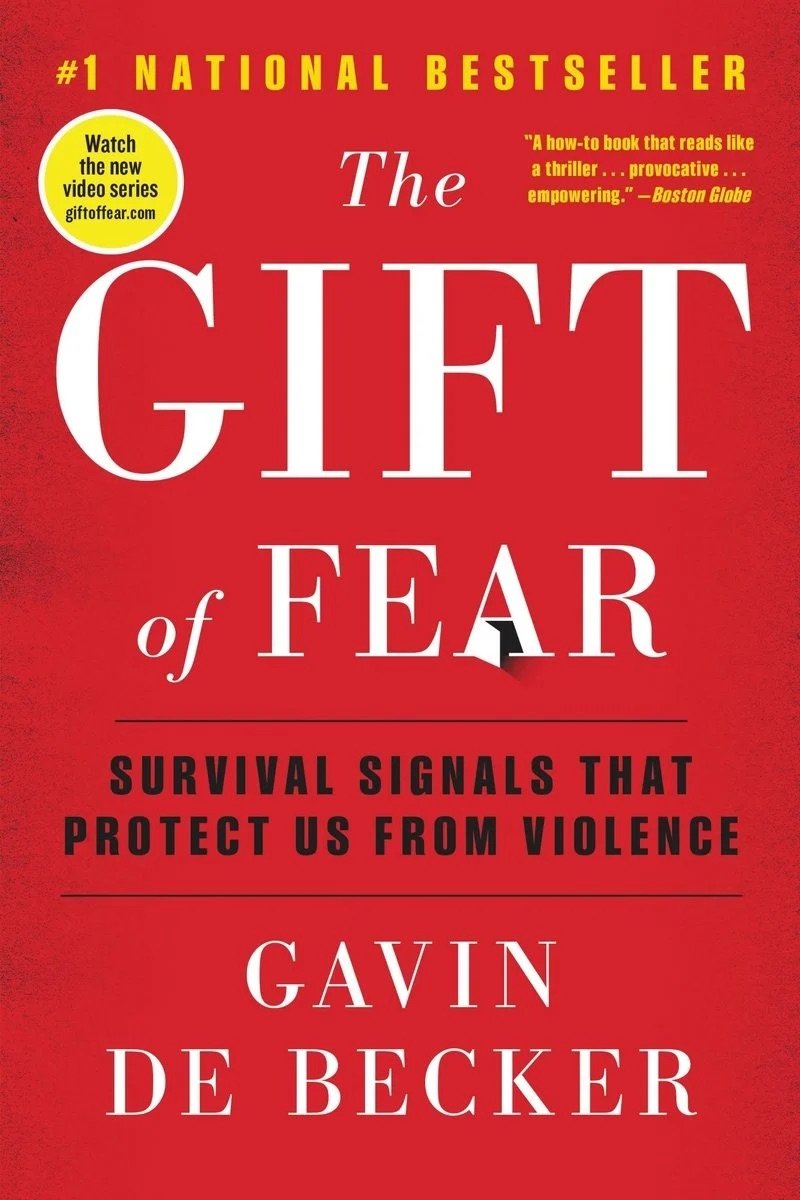
The Gift of Fear
Gavin de Becker
What it supports:
• Intuition as rapid pattern recognition
• Body signals as protective intelligence
Evidence base: Behavioral analysis, threat assessment (not academic neuroscience, but field-validated)
-
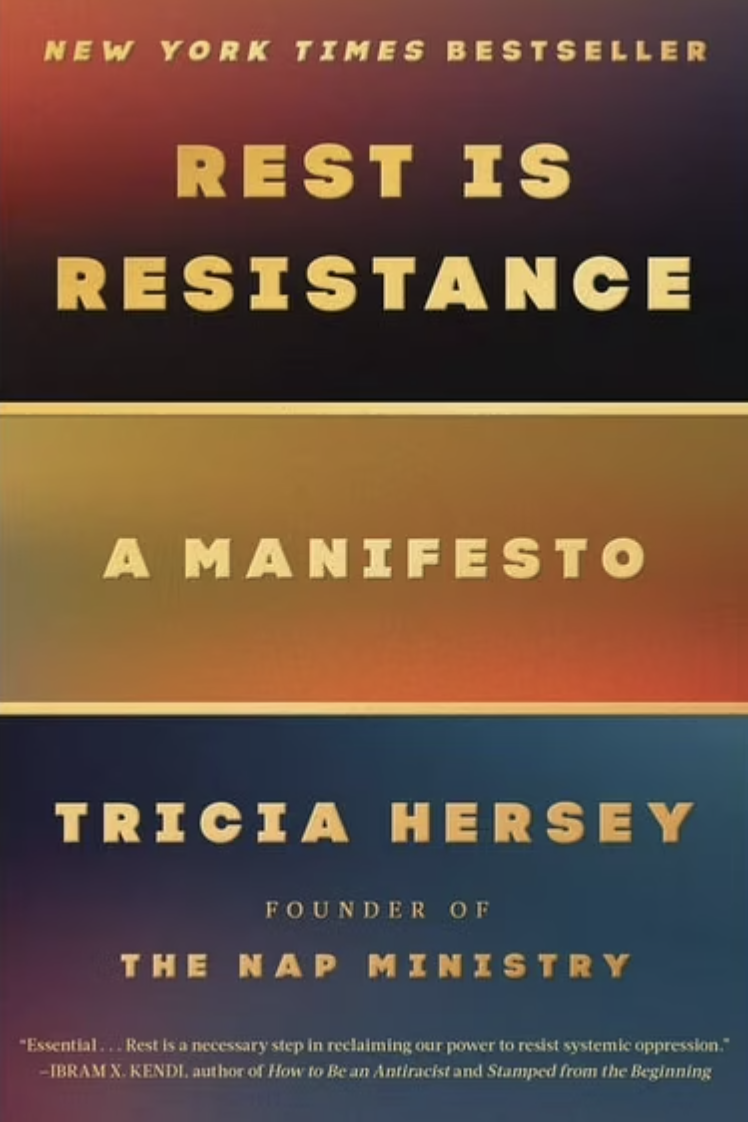
Rest is Resistance: A Manifesto
Tricia Hersey
What it supports:• Rest as radical resistance
• Dismantling grind culture and productivity as worth
•The body as a site of liberation
• Collective and ancestral healing
• Imagination as revolutionary practice
Evidence base: Grounded in Black liberation theology, womanist thought, and the lived experience of Hersey's own radical rest practice as founder of The Nap Ministry.
-

Braiding Sweetgrass
Robin Wall Kimmerer
What it supports:• Reciprocity with the living world
• Relational (not extractive) intelligence
• Knowledge through observation + patterning in nature
• Humility, gratitude, and earned belonging
• Integration of science + Indigenous wisdomEvidence base: Ecology, ethnobotany, Indigenous knowledge systems (Traditional Ecological Knowledge), long-term environmental observation
FEMININE LEADERSHIP
Prioritizing humanity, values, relationships, and shared power.
-

On Our Best Behavior
Elyse Loehnen
What it supports:
• Releasing internalized "goodness" as self-erasure
• Reclaiming appetite, anger, ambition, and rest
• The body as the site of suppression
• Intergenerational feminine healing
• Transgression reframed as wholeness
Evidence base: Grounded in feminist theory, spiritual history, somatic awareness, and personal narrative.
-
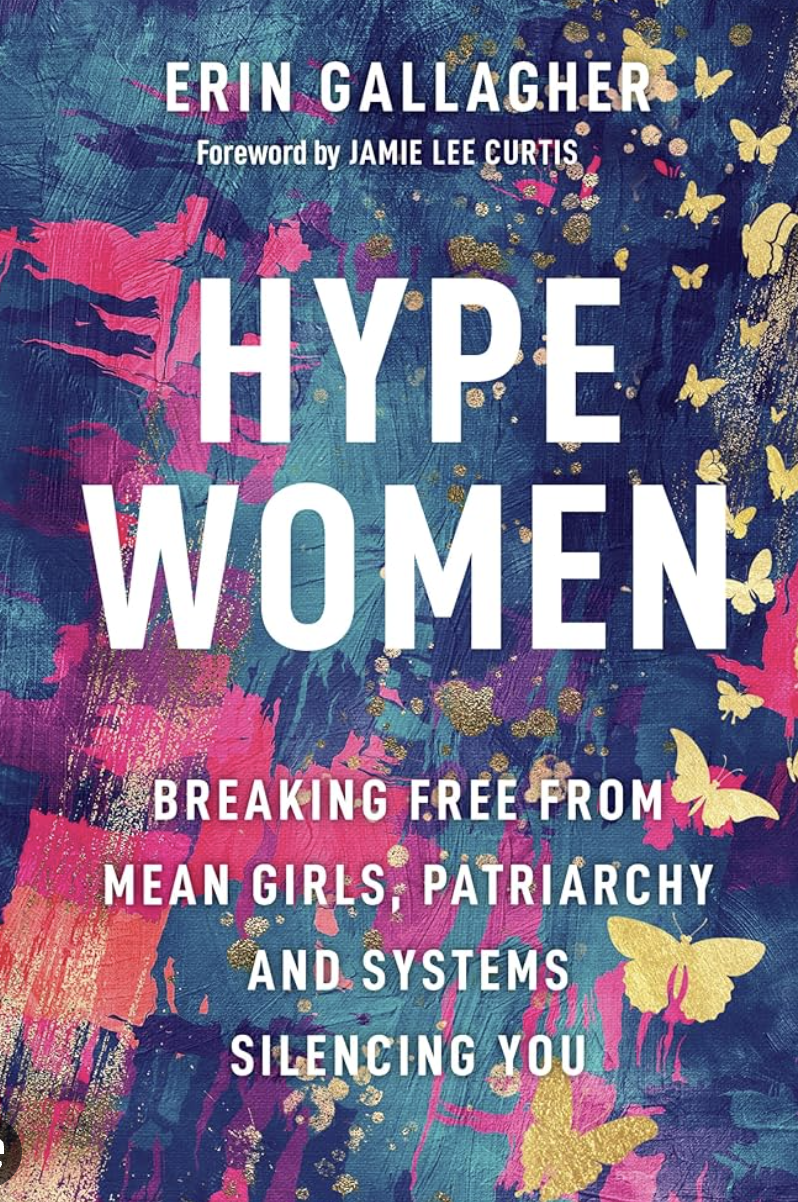
Hype Women
Erin Gallagher
What it supports:
• Releasing internalized competition and reclaiming solidarity
• Recognizing patriarchal conditioning as the root of women's conflict with each
• Releasing internalized competition between women• Recognizing patriarchal conditioning as the root of feminine conflict
• Rebuilding social, financial, and relational capital through mutual investment
Evidence base: Feminist theory, social capital frameworks, and practical strategy for collective empowerment.
-
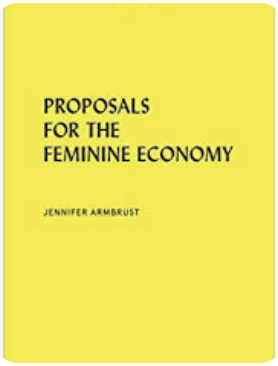
Proposals for the Feminine Economy
Jennifer Armbrust
What it supports:
• Business as feminist practice
• New, values-driven economies
• Redistribution of power & resources
• Business as experimentation and art
• Feminine economic paradigm
Evidence base: Grounded in feminist economics and organizational research on power, leadership, and alternative economic models.
-
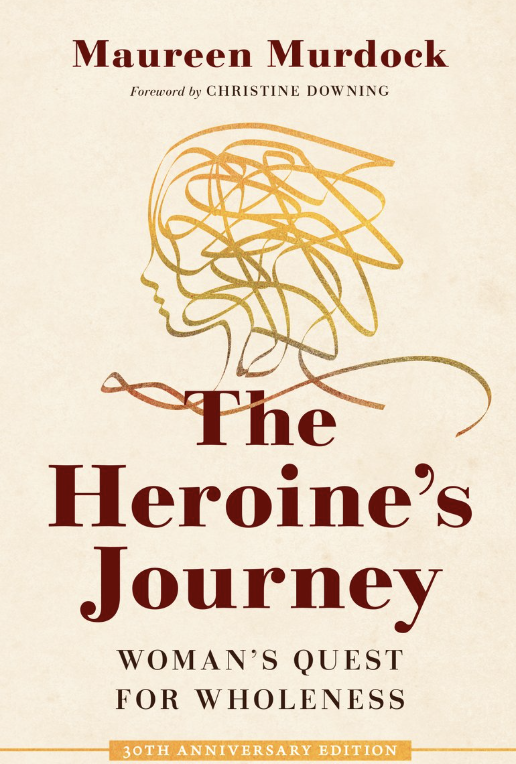
The Heroine's Journey
Maureen Murdock
What it Supports:• Integration over achievement
• Healing feminine–masculine split
• Cyclical growth patterns
• Inner authority + wholeness
• Descent as transformation
Evidence Base: Jungian psychology; Mythology and archetypal analysis